By Ian Richards
One of the things financial advisers are confident about when working with most clients is the fixed income their client receives each month. But it becomes a bit more complicated when your client doesn't have that certainty, specifically freelancers who have irregular, lumpy income.
Working with freelancers starts with understanding why they went freelance in the first instance. In most cases it wasn't for more money. It was so they could have a better work-life balance, flexibility over the work they do and embark on something they love. This is exactly what financial planning looks to achieve, so freelancers should be our ideal clients.
However, even when we understand what the client is trying to achieve and are clear on their dreams for the future, we still don’t know exactly how much money is available that year, let alone over the next few years. This uncertainty makes financial planning for freelancers challenging.
So how can we deal with this variable income and the fact that elements of ‘traditional' financial planning strategies may not be appropriate for freelancers?
As with other clients, with freelancers we start with getting the fundamentals right. This stems from building the right spending plans. We need to get a really good handle on what the base spending of our freelancer will be each month, regardless of what they earn, so that this can form the basis of any financial planning. It is also important to separate out expenses that are related to the business that may be bundled in with their private expenses, such as marketing fees and co-working costs. Freelancers often need encouragement and advice around treating their work as a proper business, and ensuring they are allocating money for their taxes.
When it comes to personal spending, look to build two plans: one for base spending, and one for those months when they earn more. With freelancers, it's important to avoid the lifestyle creep that comes with increased income, a real challenge when there could be big differences in income each month.
The next step with freelancers is building a Confidence Pot (emergency fund), which may need to be higher than we would recommend for traditionally employed clients. I like the idea of calling this a Confidence Pot as having this fund can encourage freelancers to raise their rates, be selective about what work they take on, and have the confidence to take time out for self-improvement activities like additional training. Creating a Confidence Pot is standard practice of financial planners but can be extra beneficial for freelancers.
Getting the appropriate protection in place is crucial and something that freelancers often overlook if they have moved from an employed role. Their inconsistent income can create issues when it comes to income protection as we don’t know what they will have each year, so we need to be careful they are not under or over insured. It's important to ask question like: how long will they need coverage for? While usually we might plan to state pension age, I'd say anecdotally I find freelancers wanting to work longer, as they live their lives to the fullest and do a job they love. Again, the importance of understanding the life they want comes to the fore when thinking about their protection needs.
We also need to adapt to the changing world and learn more about how freelancers want to live their lives, and therefore the traditional conversations around things like retirement need to be framed in different ways.
With my younger clients, a traditional retirement may be 20-30 plus years away - but do freelancers even want retirement? They're likely to be doing something they already love and aren't counting down the years until they can stop work. They are more likely to want to enjoy experiences and opportunities now even if this means working longer.
For all clients, the key to successful financial planning is creating an actionable plan to achieve their goals in life. Therefore, for freelancers it is extra important to be really clear on what they want. As financial planners, we must understand why they went freelance in the first place and gauge whether they are thinking about returning to traditional employment in the future. Why are our clients working with us in the first place?
I think the Dan Sullivan question is key “If we were having this discussion five years from today, and you were looking back over those five years, what has to have happened in your life, both personally and professionally, for you to feel happy with your progress?”
Within the action plans, I have recently started introducing the concept of naming pots for clients when we’re talking about building their financial plan. Of course, one of these pots would be the traditional confidence or emergency pot. But there are others such as a Later Life Pot (pensions), an Options Pot (ISAs) or Luxuries Pot (cash). Freelancers are often concerned about tying their money up in products such as pensions, which they are not able to access. Pensions are still a great option but it’s important to explore other avenues for that money which will give them the flexibility they crave.
Irregular income emphasises the importance of regular meetings or even a monthly check in with your freelance clients. Give your freelance clients a plan they can refer to regarding their higher earnings and what to do. A hands-on means that the client needs to be totally brought into the planning process to understand how it will help them achieve their goals.
Financial planning for freelancers needs to be incredibly flexible, with the ability to match their freedom in work and life. The importance of ongoing planning for freelancers can't be underestimated, it is certainly a dynamic career choice with lots of variations in income and the opportunities they want to take advantage of. The fundamentals are the same for freelancers and traditionally employed clients. If we can get the basics right – control spending, build a flexible plan tailored around goals, and embrace the extra uncertainty, we can help these clients achieve the opportunities they want in life while feeling secure.
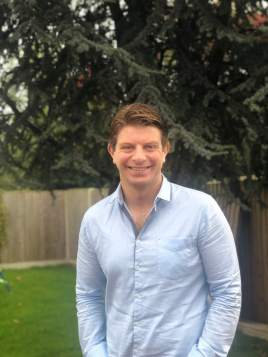
Ian Richards is a Chartered Financial Planner and Founder of Work to Live Financial Planning. He predominantly works with the next generation of clients focusing on freelancers, the self-employed and business owners.
He's on a mission to take the jargon and complexity out of financial advice to help people narrow the gap between the life they want and the one they are living.
